Cubic yards, tons, bags and truck loads — by area and depth.
Raising low ground, filling holes, backfill | Compaction allowance | 2026 prices
Fill Dirt Calculator
Raising a low area 6 in, filling a hole 12 in, backfill 12 in, shed/patio base 4 in. Changing the job above sets the depth for you.
Fill dirt is $5–$25 per cubic yard (HomeGuide 2026); unscreened $8–$15, screened $12–$20 (Angi 2026).
Free — no sign-up.
Enter your measurements to see your result.
Quick answer: A 20 × 30 ft low spot raised 6 inches deep needs 11.11 cubic yards of fill dirt — order 12.78 cubic yards (639 × 40 lb bags) with the usual 15% compaction allowance. Fill dirt compacts 10–15% when tamped, so the extra is not waste — it is the material that packs down into the space.
How we check our math — reviewed November 17, 2026.
Every formula is worked by hand against the US customary definition (National Institute of Standards and Technology) and published material densities. Found a mistake? Tell us — we check every correction report and fix verified errors.
One cubic yard of fill dirt covers about 54 sq ft at 6 inches deep, 27 sq ft at 12 inches, and 324 sq ft at 1 inch.
A 20 × 30 ft low spot at 6 inches deep needs 11.11 cubic yards of fill dirt — order 12.78 cubic yards with the usual 15% compaction allowance. That is 12.78–17.25 tons, or 639 bags of 40 lb fill dirt, or 2 tandem dump-truck loads. This fill dirt calculator works out yards, tons, bag counts, truck loads and cost, so you can order the right amount for raising grade, filling a hole or backfilling.
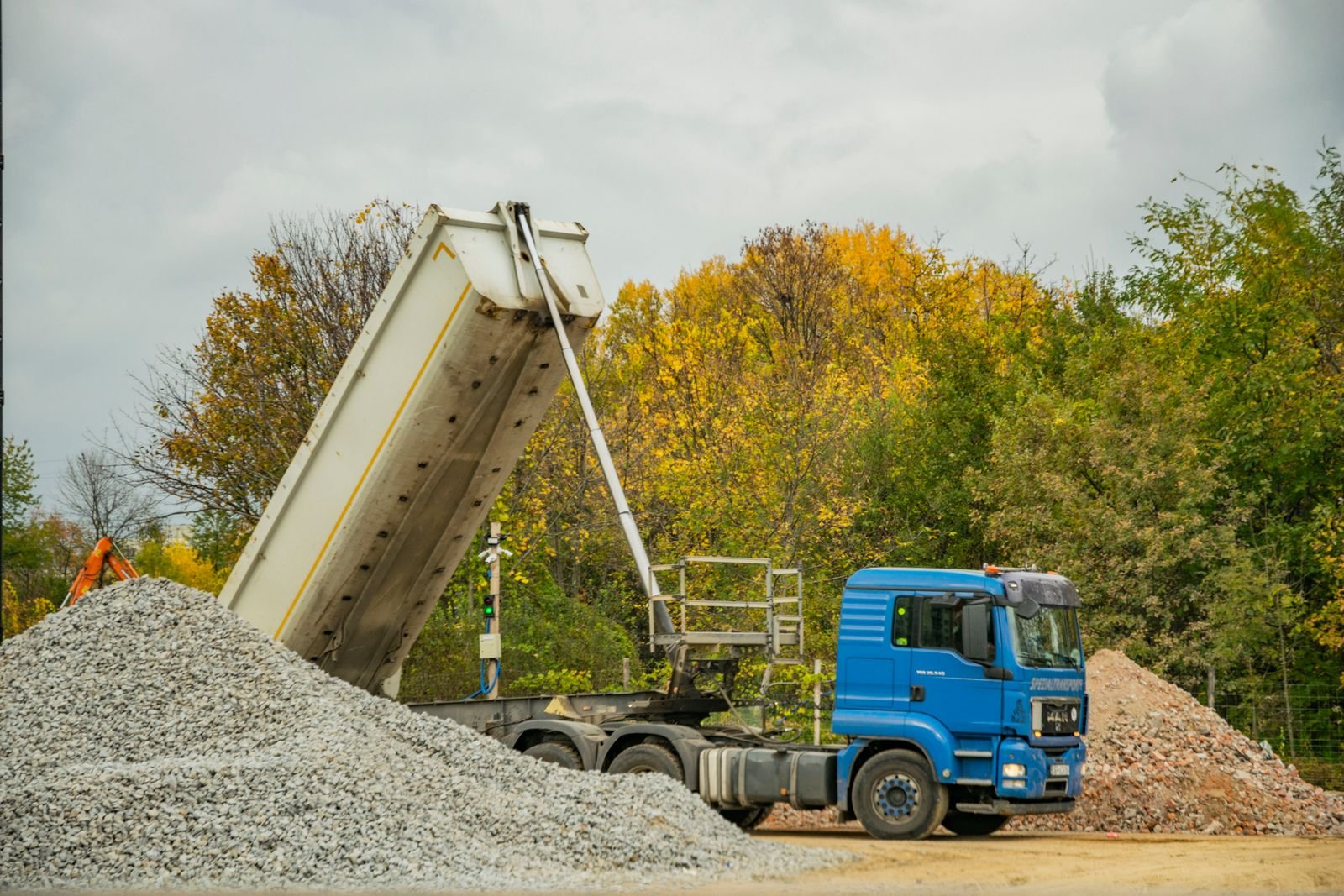
Fill dirt is sold by the cubic yard, and a loose yard weighs 1.0–1.35 tons (about 2,000–2,700 lb). It compacts 10–15% when tamped — this fill dirt calculator adds a 15% compaction allowance to your order, so the volume you order is the loose volume the truck brings, not the packed volume left after tamping.
How the fill dirt calculator works
The formula is the same as for any material: cubic yards = square feet × depth in inches ÷ 324. One cubic yard is 27 cubic feet, or 0.7646 cubic metres. Tons come from the density of loose fill dirt, 1.0–1.35 tons per cubic yard, and a 40 lb bag of fill dirt is about 0.54 cubic feet, which is 50 bags per cubic yard. Use the fill dirt calculator above to check your own numbers.
Worked example — low spot: A low area 20 ft long, 30 ft wide, 6 inches deep. Area: 20 × 30 = 600 sq ft. Cubic feet: 600 × (6 ÷ 12) = 300 ft³. Cubic yards: 300 ÷ 27 = 11.11 yd³. Order volume with 15% compaction: 11.11 × 1.15 = 12.78 yd³. Tons: 12.78 × 1.0–1.35 = 12.78–17.25 t. Bags: 12.78 × 50 = 639 × 40 lb bags. Truck loads: 12.78 ÷ 12 = 2 tandem loads. Cost at $12 per yard: 12.78 × $12 = $153, within the 2026 band of $5–$25 per yard ($64–$320).
Worked example — raising a yard a foot: A yard 50 ft long, 20 ft wide, 12 inches deep. Area: 50 × 20 = 1,000 sq ft. Cubic feet: 1,000 × (12 ÷ 12) = 1,000 ft³. Cubic yards: 1,000 ÷ 27 = 37.04 yd³. Order volume with 15% compaction: 37.04 × 1.15 = 42.59 yd³. Tons: 42.59 × 1.0–1.35 = 42.59–57.50 t. Bags: 42.59 × 50 = 2,130 × 40 lb bags. Truck loads: 42.59 ÷ 12 = 4 tandem loads. Cost at $12 per yard: 42.59 × $12 = $511, within the 2026 band of $5–$25 per yard ($213–$1,065).
Worked example — small patch: A 10 × 10 ft patch at 4 inches deep. Area: 100 sq ft. Cubic yards: 100 × 4 ÷ 324 = 1.23 yd³. Order volume with 15% compaction: 1.23 × 1.15 = 1.42 yd³. Tons: 1.42–1.92 t. Bags: 1.42 × 50 = 71 × 40 lb bags. One tandem truck load covers it — and for a job this small, bags from the garden centre are usually the cheaper route, because most bulk suppliers want a 6–10 cubic yard minimum for a truck delivery.
Fill dirt or topsoil? Buy the right one
Fill dirt is the pale, heavy subsoil from deeper down: it is cheap and it builds up ground, but almost nothing grows well in it. Topsoil is the dark, living top layer — it is what your lawn and plants actually grow in. If you are raising a low spot that will be covered with topsoil, fill dirt is the right buy. If you are planting into it, buy screened topsoil. The most common expensive mistake is ordering fill dirt for a new lawn and then wondering why the grass stays thin and yellow — the money you save on the load costs you the lawn.
Work out the topsoil for the same job on the topsoil calculator — bring the grade up with fill dirt, then cap it with 4–6 inches of screened topsoil anywhere grass or plants are going in.
- Fill dirt: $5–$25 per cubic yard.
- Unscreened fill dirt: $8–$15 per cubic yard.
- Screened fill dirt: $12–$20 per cubic yard.
- Structural (engineered) fill: $15–$25 per cubic yard.
- Delivery: $50–$150 per trip, only when you tick it in the calculator.
Those are 2026 planning ranges, not a quote. Prices move by region, by season, and by how far the truck has to drive. Delivered prices run higher than the dirt alone — the $5–$25 band is the HomeGuide delivered figure, and a truckload of 10–14 yards typically runs $150–$400 delivered.
Depth by use
| Use | Depth |
|---|---|
| Raising a low area | 6 in to start — measure the dip first, deeper dips take more |
| Filling a hole | Depth of the hole |
| Backfill by a foundation | 12 in, in 6–8 in lifts |
| Base under a shed | 4–6 in, compacted |
| Levelling ground for pavers | Fill to grade, then 4–6 in gravel base + 1 in sand on top |
Coverage per cubic yard by depth
| Depth (inches) | Sq ft per yard |
|---|---|
| 1/2 | 648 |
| 1 | 324 |
| 3 | 108 |
| 4 | 81 |
| 6 | 54 |
| 12 | 27 |
Compaction and settling
Fill dirt does not stay the volume the truck drops. Tamp it and it packs down 10–15% — granular, sandy fill compacts 10–12%, clay-heavy fill up to 20–25%. That is why this calculator adds a 15% compaction allowance to your order: the extra is the material that disappears into the ground when you compact it, not waste.
Do not dump fill dirt in one deep pour. Place it in lifts of 6–8 inches and compact each layer with a plate compactor or hand tamper before adding the next — 4–6 inch lifts near foundations and other tight spots a compactor cannot reach. Skipping this is the number one reason people see sunken patches and settling cracks a year or two later. Left alone, uncompacted fill keeps settling unevenly for years.
Bags vs bulk: which is cheaper?
A 40 lb bag of fill dirt is about 0.54 cubic feet, which is 50 bags per cubic yard. Fill dirt is almost always bought in bulk — bags are for small patch jobs only. Bulk is cheaper above about 1–2 cubic yards even after delivery, and most bulk suppliers want a 6–10 cubic yard minimum for a truck delivery. For a job under about a yard and a half, bags from the garden centre are usually the cheaper route.
Truck loads
A tandem-axle dump truck — the usual delivery truck — carries about 10–14 cubic yards of fill dirt per trip, typically around 12, because soil is heavy and the truck hits its weight limit before its bed is full. A smaller single-axle truck carries about 5–8 yards. This calculator works truck loads out at 12 cubic yards per tandem load and rounds up — a half-empty second load still costs a trip. Ask your supplier what their trucks actually carry before you order, and check delivery access: a full truck needs room to turn and dump.
Texas note
Much of Lubbock sits on caliche — a hard, pale layer that roots cannot push through and water cannot drain through. Break up the caliche first where you can, and scarify the surface so the new fill keys into it instead of sliding. Fill dirt over caliche still needs the same lifts and compaction, and it still needs its 4–6 inch topsoil cap before grass goes down. Bermuda grass is the usual Lubbock lawn — it loves the heat and spreads fast — while buffalo grass is the tougher, lower-water choice for a lawn you do not want to mow every week.
Frequently asked questions
How much fill dirt do I need for a 20 × 30 ft area?
At 6 inches deep: 11.11 cubic yards measured, 12.78 cubic yards to order with the 15% compaction allowance — 12.78–17.25 tons, or 639 × 40 lb bags. That is 2 tandem dump-truck loads.
How much does a cubic yard of fill dirt weigh?
Loose fill dirt weighs 1.0–1.35 tons per cubic yard (about 2,000–2,700 lb). Clean fill is near 1.0 ton; clay-heavy fill runs toward 1.35 tons, and wet fill weighs more. Compacted fill can reach 1.4–1.7 tons per yard.
What is the difference between fill dirt and topsoil?
Fill dirt is the pale subsoil from deeper down — cheap, heavy, almost no organic matter. Topsoil is the dark surface layer plants grow in. Use fill dirt to build up grade and fill holes, then cap it with 4–6 inches of screened topsoil anywhere grass or plants will grow. Work out the topsoil on the topsoil calculator.
How much does fill dirt cost per cubic yard in 2026?
HomeGuide puts fill dirt at $5–$25 per cubic yard delivered. Angi’s 2026 figures are $8–$15 for unscreened fill, $12–$20 screened, and $15–$25 structural. Delivery is usually $50–$150 per trip. Those are planning ranges, not a quote.
How much does fill dirt settle after I spread it?
Expect it to compact 10–15% when tamped — granular fill 10–12%, clay-heavy fill up to 20–25%. That is why this calculator adds a 15% compaction allowance to your order. Place it in 6–8 inch lifts and compact each layer; a single deep pour settles unevenly for years.
Can you spread fill dirt in winter?
Yes — as long as neither the dirt nor the ground is frozen. Frozen dirt is not fill: once the water in the soil turns to ice it locks the particles together, so frozen material can’t be compacted properly, and grading rules are blunt about it — no fill shall be placed, spread or rolled while the ground or fill is frozen or thawing. The real cost shows up in spring: the ice melts, the ground settles unevenly, and you get low spots and ruts that need regrading — new fill usually settles most after its first winter thaw. So spread it in thin lifts and compact each one while the dirt is still workable, and keep silty or clay-heavy loads away from foundations and driveways — silt heaves worst in freeze–thaw. In Lubbock, winter usually gives you workable windows — December highs average around 54°F — so pick a dry, unfrozen day and skip any day the ground is frozen or a hard freeze is forecast. If the pile is already frozen solid, wait for a thaw: a truck can still deliver it, but spreading frozen clods just stores up settlement for spring.
Related tools
Try the cubic yard calculator for any material by volume, the topsoil calculator for the 4–6 inch cap over your fill, or the gravel calculator for the base under pavers and driveways.
Sources and methodology: The 27 cubic feet in a cubic yard is the US customary definition (National Institute of Standards and Technology). Loose fill dirt density 1.0–1.35 tons per cubic yard (2,000–2,700 lb) is the published range across fill dirt and dirt calculator references; clean fill is about 1.0 ton per yard. Compaction 10–15% and 6–8 inch lifts are the standard placement guidance used by bulk fill suppliers. Prices are 2026 US planning ranges from HomeGuide and Angi. Methodology reviewed: November 2026.
Calculation notice: Results are estimates for planning and ordering. Actual volume depends on how the material settles, how level the ground is, and how wet the load is, so confirm the order with your supplier before delivery. All prices are 2026 planning ranges, not a quote.
Need a pro in Lubbock?
If you are in Lubbock, TX and would rather have the fill dirt delivered and graded than do it yourself, see landscaping and lawn care services. This fill dirt calculator above still tells you how much you need, so you can check any quote against your own numbers.